
The Federal Communications Commission (FCC) last week approved Amazon's planned $11.5 billion acquisition of Globalstar, clearing a major regulatory hurdle for Amazon Leo's expansion into satellite direct-to-device (D2D) and Direct-to Cell (DTC) services.
The FCC approval, announced October 27, clears one of the major hurdles around Amazon acquiring Globalstar's satellite business and approximately 25 MHz of valuable mobile satellite spectrum.
This acquisition is expected to fully close sometime in 2027 - pending additional regulatory approvals and other conditions, but now that the FCC approval is secure it seems likely that the remainder of the acquisition process will go smoothly.
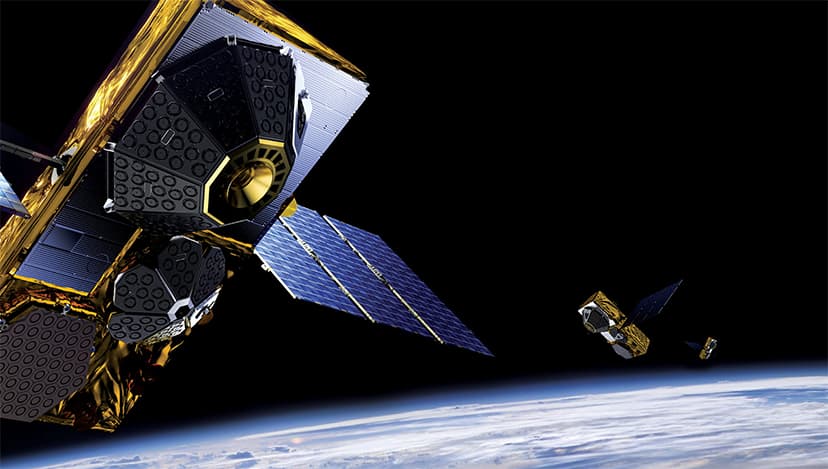
As a reminder - Globalstar is a long-established satellite communications provider that operates the satellite network behind Apple's satellite messaging and Emergency SOS features, as well as services for others like SPOT satellite communicators.
Having been one of the first satellite internet service providers - Globalstar owns global rights to extremely valuable satellite communications spectrum.
Apple had been funding Globalstar building a next-generation constellation - but SpaceX and Amazon both sought to take over Globalstar to get both the Apple contract, and the spectrum rights. Ultimately - Amazon beat out Starlink and announced a deal to take over, integrating Globalstar into the future vision of the Amazon Leo satellite internet constellation.
Amazon has also announced that the partnership with Apple will continue - with Amazon supporting satellite features on compatible iPhones and Apple Watches.
Amazon plans to use Globalstar's infrastructure and spectrum to develop more advanced direct-to-device connectivity, and to make its future D2D network available through multiple cellular carriers and device manufacturers.
Amazon plans to build on the existing constellation it will get from Globalstar by deploying a new D2D/DTC constellation of 5,105 satellites in the future.
While nothing major is changing soon, especially for our audience of nomads, this is an important step toward more competition in satellite connectivity - particularly for devices that can connect directly to satellites without special dishes or equipment.
The future of direct-to-device connectivity is shaping up to be a three-way race between SpaceX and Starlink Mobile, AST SpaceMobile, and Amazon Leo / Globalstar.
And hopefully - with more competition, consumers will win.
Video Story
Coming Soon
Key Mobile Internet Related Considerations:
- The FCC has approved Amazon's acquisition of Globalstar, including satellite licenses and spectrum.
- Globalstar's existing network supports Apple's satellite connectivity features, and Amazon and Apple have agreed to continue supporting them.
- Amazon plans to begin deploying more advanced direct-to-device satellites in 2028.
Related Content at the Mobile Internet Resource Center:
- Industry Update: Latest Satellite Industry Update Article
- Guide: Starlink Satellite Internet For Mobile RV And Boat Use
- Content Collection: Mobile Satellite Internet Resources
- Gear: SpaceX Starlink
Related News Stories:








 Mobile Internet Resource Center was founded by Chris & Cherie of
