
Key points:
- SpaceX successfully caught a Starship returning from space on Saturday - a tremendous leap forward towards making Starship the first fully reusable upper-stage rocket.
- During the flight, SpaceX successfully deployed another 26 Starlink V3 satellites, continuing to build out the next generation of the Starlink constellation.
- Meanwhile, ULA's Vulcan rocket suffered a failure on the way to orbit on Sunday, destroying its payload of 40 Amazon Leo satellites.
- This was ULA's first mission failure in its 20-year history, and grounding the Vulcan while this failure is investigated will likely further derail both Amazon Leo and AST SpaceMobile as they push to deploy their own broadband constellations.
It was an absolutely wild weekend for rockets - with SpaceX achieving what many once thought to be impossible by successfully catching a skyscraper-sized Starship returning from orbit on Saturday.
And then, a day later, old-space titan ULA's Vulcan rocket catastrophically failed in flight, losing its payload of 40 Amazon Leo satellites.
The weekend resulted in 26 new Starlink V3 satellites in orbit - and a rosy outlook for Starlink's expansion plans.
But with the Vulcan failure, things look increasingly grim for Amazon Leo and AST SpaceMobile getting back on track anytime soon.
The implications of this weekend's events on the future of satellite connectivity are far-reaching - we've got the latest...
Table of Contents
Wild Rocket Weekend-Video Update
SpaceX Catches Starship-A Legitimately Amazing Achievement
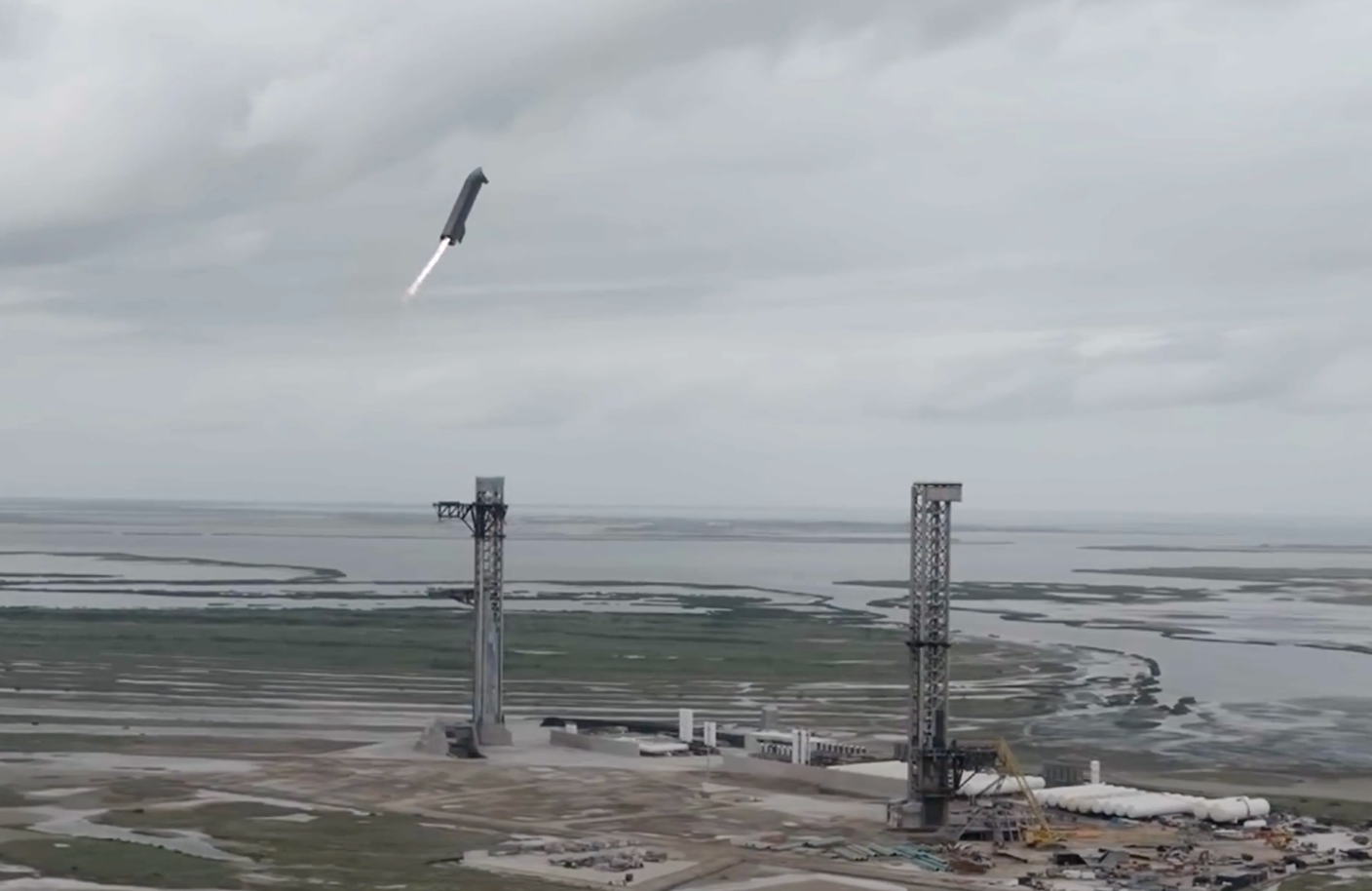
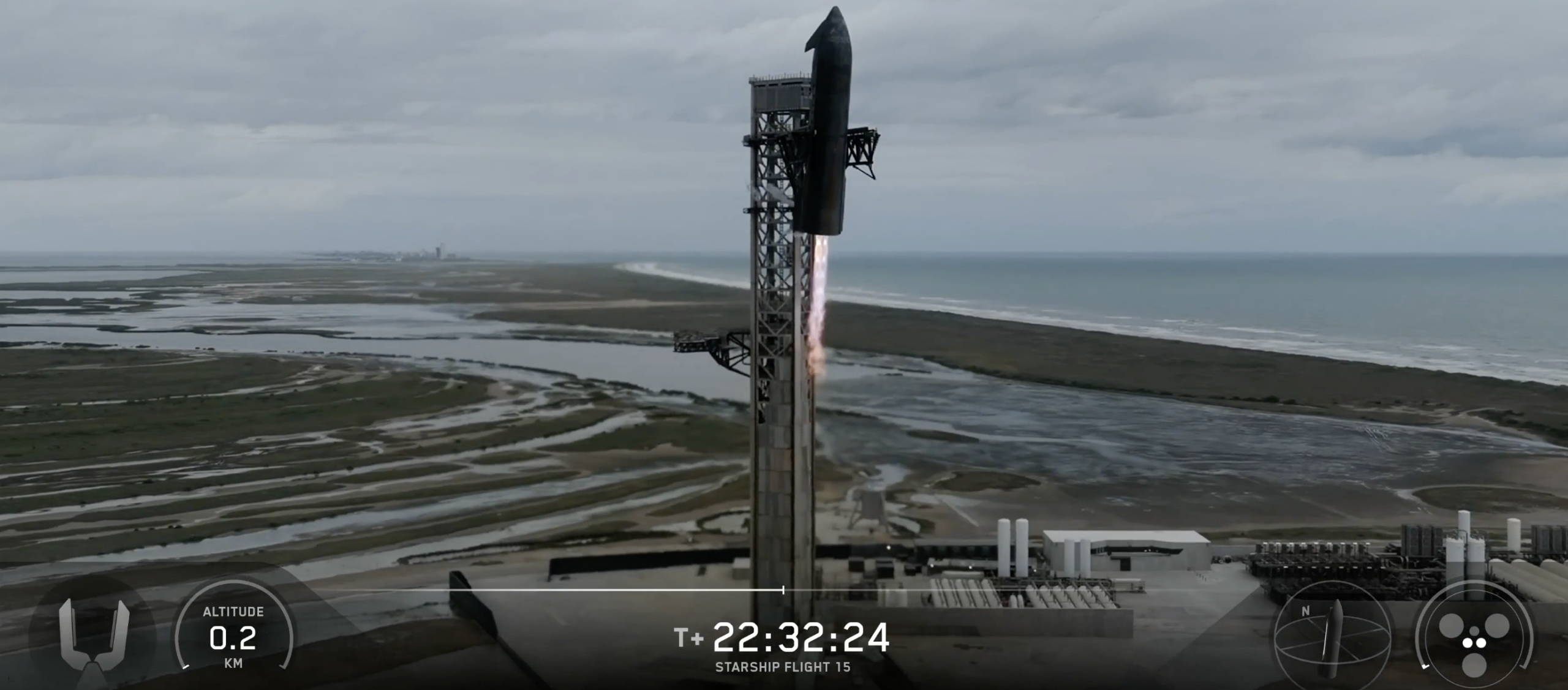
On Friday afternoon, SpaceX's 15th Starship test flight successfully lifted off from Starbase, Texas.
And then on Saturday - 22.5 hours later - Starship returned from orbit and was dramatically caught in midair by two "chopsticks" arms on the very same launch pad it took off from.
This is science fiction brought to life - and it is indeed revolutionary.
In the past, rockets were expensive and expendable. A huge rocket goes up - and (at most) a tiny capsule returns. Everything else burns up in the atmosphere along the way.
Imagine how expensive flying would be if airlines had to buy a new 737 for every flight?
The Space Shuttle was designed to change the game by being mostly reusable (the external fuel tank was still expended on every launch), but it ultimately proved extremely expensive and overly complex, and it required months of refurbishment between missions.
SpaceX's Falcon 9 (and now also Blue Origin's New Glenn) have made launches dramatically cheaper by landing and reusing the first stage, but the upper stage of each rocket is still expendable and lost on every mission.
Starship and its Super Heavy Booster, on the other hand, are both designed for full reusability.
SpaceX has already demonstrated catching and reusing the Super Heavy Booster, but it has not yet attempted to recover the Starship upper stage until now. All prior Starship missions focused on water landings, testing out the re-entry heat shielding before risking a return over land and populated areas.
Saturday was the first time SpaceX aimed to return Starship to its launch site, with several water-landing backup sites prepared along its flight path, just in case.
Many were expecting it would take SpaceX a few tries to get the landing right.
But SpaceX nailed it on the first try.
Next up: SpaceX has to prove it can manage a double-catch, recovering both the Super Heavy Booster and the Starship.
This test flight was aspirational in its goal of doing both - but out of an abundance of caution (and likely to avoid any damage that might have affected the Starship catch), the booster was diverted to a water landing in the Gulf when fuel seemed to be running down faster than expected.
But now that the process is proven separately for both Booster and Starship, it seems very likely that all future Starship flights will be double-catch missions.
The hard challenge remaining for SpaceX now is demonstrating rapid refurbishment and reuse of Starship. Ultimately, Starship is theoretically designed to land and launch again with no refurbishment required.
If SpaceX can pull this off, the economics of spaceflight will radically change even further.
But it seems as if only one company stands to benefit from this new economic reality...
ULA Vulcan Failure Destroys 40 Amazon Leo Satellites
United Launch Alliance (ULA) is a joint venture between legacy aerospace titans Boeing and Lockheed Martin, and in ULA's twenty-year history it has never lost a mission.
Until this past Sunday, ULA was known for being expendable, expensive, and often way behind schedule - but ultimately reliable.
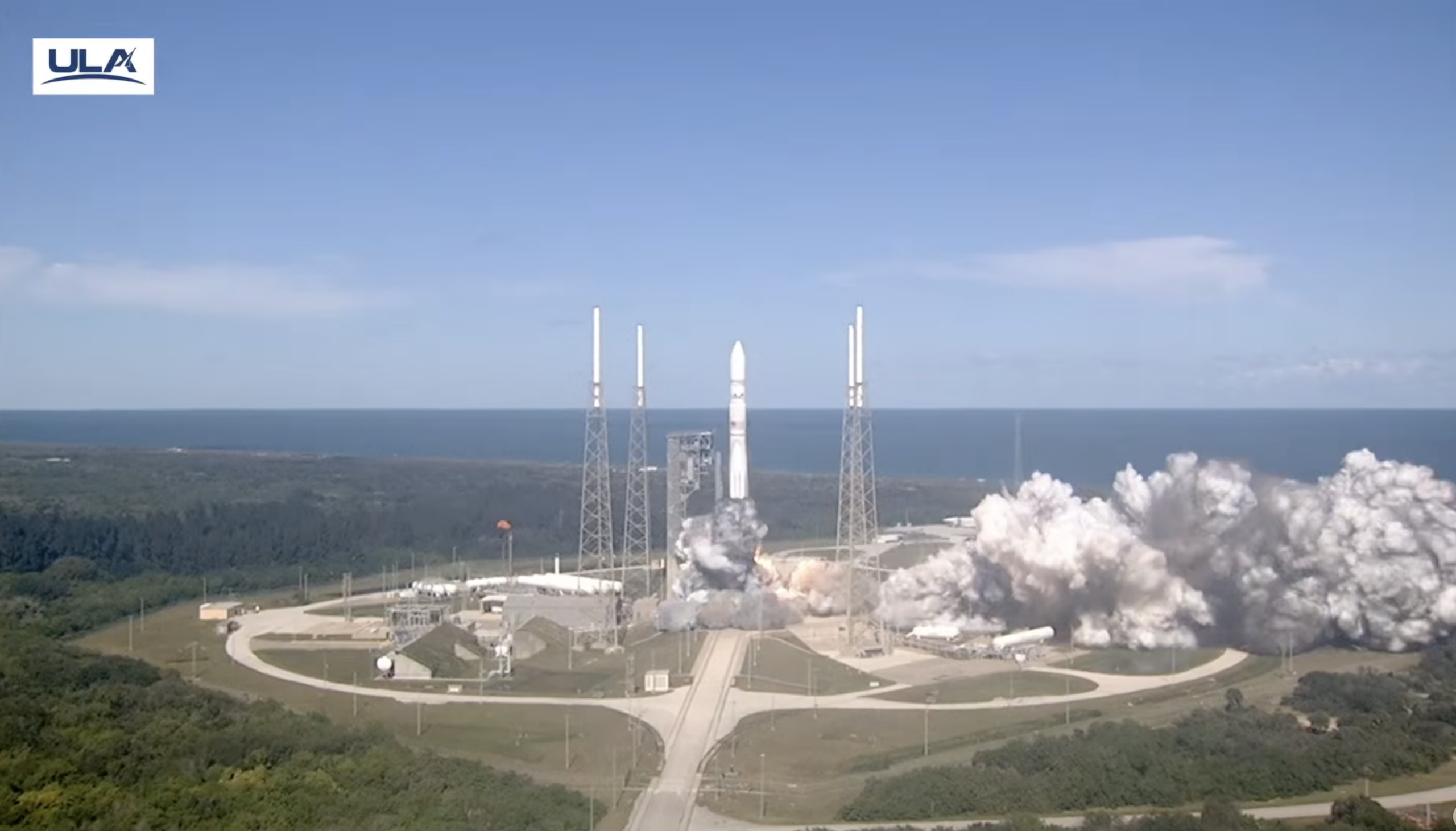
But on Sunday, ULA's Vulcan rocket failed on its way to orbit, losing its payload of 40 Amazon Leo satellites.
This was the fifth launch of Vulcan - ULA's new heavy-lift rocket intended to replace the now-retired Delta IV and mostly-retired Atlas V.
The Vulcan had been grounded since February while ULA investigated an anomaly in its strap-on solid rocket boosters that caused non-fatal issues on two previous flights.
This time, the boosters seemed to perform fine, but the Vulcan suffered an issue 10 minutes into flight that resulted in a loss of the mission.
Depending on how difficult it is to identify and work around the fault, this is likely to result in another long-term Vulcan grounding.
And a lengthy grounding of the Vulcan is a very big deal.
Amazon has 38 Vulcan launches booked for building out the Leo constellation. Two more were scheduled before the end of 2026.
And Amazon isn't the only one relying on Vulcan. The US government has always been ULA's primary target customer, and nearly half of the US military missions over the next few years were planned to launch on Vulcan as well.
With Vulcan sidelined, Blue Origin's New Glenn will face more pressure to pick up the slack.
But this Vulcan failure may end up grounding the New Glenn as well...
New Glenn’s Return Delayed Until January-Maybe Longer?

Blue Origin's partially reusable New Glenn exploded during ground testing this past May, destroying the launch pad and grounding future flights.
Blue Origin has addressed the engine issue that caused the explosion and it had hoped to rebuild the pad and return to flight before the end of 2026.
But rebuilding ground infrastructure takes time - and Blue Origin recently acknowledged that the next New Glenn flight would slip into early 2027 to allow time to complete the work.
But there might be a new issue...
Both the Vulcan and the New Glenn are built around Blue Origin's BE-4 rocket engine.
If the Vulcan failure proves to be related to the BE-4, New Glenn will remain grounded even longer until the issue is fully understood.
And if both Vulcan and New Glenn both remain grounded, Amazon Leo's rollout will inevitably slip even further behind.
Amazon is not completely derailed, however - it has one more Ariane 6 launch scheduled this year, and seven planned in 2027. Amazon has also booked 10 SpaceX Falcon 9 launches in 2027.
This will be enough to keep Leo moving forward, just much slower than anyone could have anticipated.
And even if Amazon wanted to book more Falcon 9 launches to keep Leo on track, they couldn't.
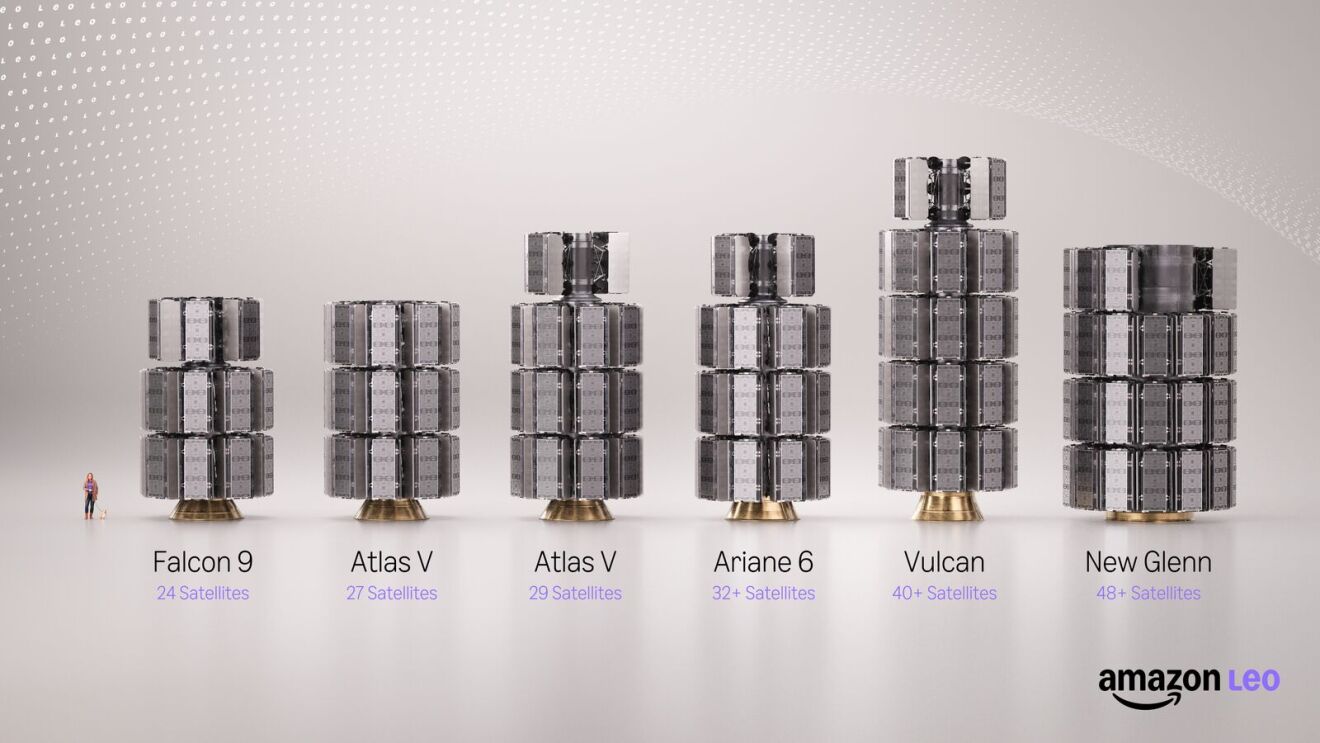
SpaceX Ending Commercial Launch Services?!?
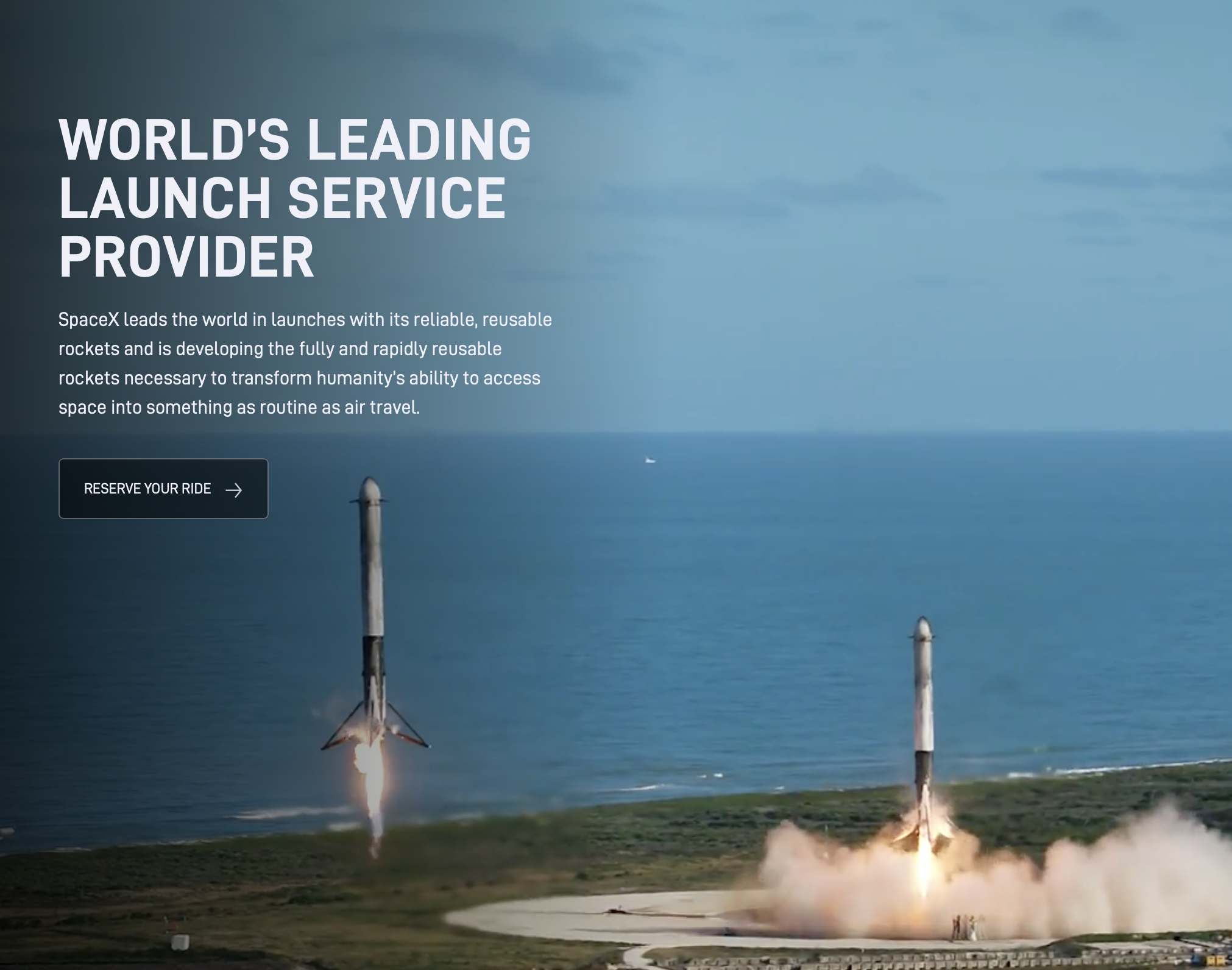
With unprecedented demand for launch, SpaceX could find customers for every Falcon 9 it could manage to launch.
But SpaceX has recently made it clear to customers that the Falcon 9 is on the path to retirement - and if they don't already have a contract, no more rides to space are available.
Even NASA and military launches are being turned down.
SpaceX wants to focus all of its energy on Starship - and almost exclusively on using Starship for Starlink V3 and orbital AI data centers.
A general-purpose version of Starship suitable for commercial payloads seems to have been back-burnered, and SpaceX is leaving customers across the industry who had grown used to easy and affordable launch services now high and dry.
Every other possible ride to space over the next few years seems to be already spoken for - leaving much of the satellite industry in a state of panic.
There just aren't enough launch providers available to meet demand...
AST SpaceMobile-Getting Desperate, and Delusional?!
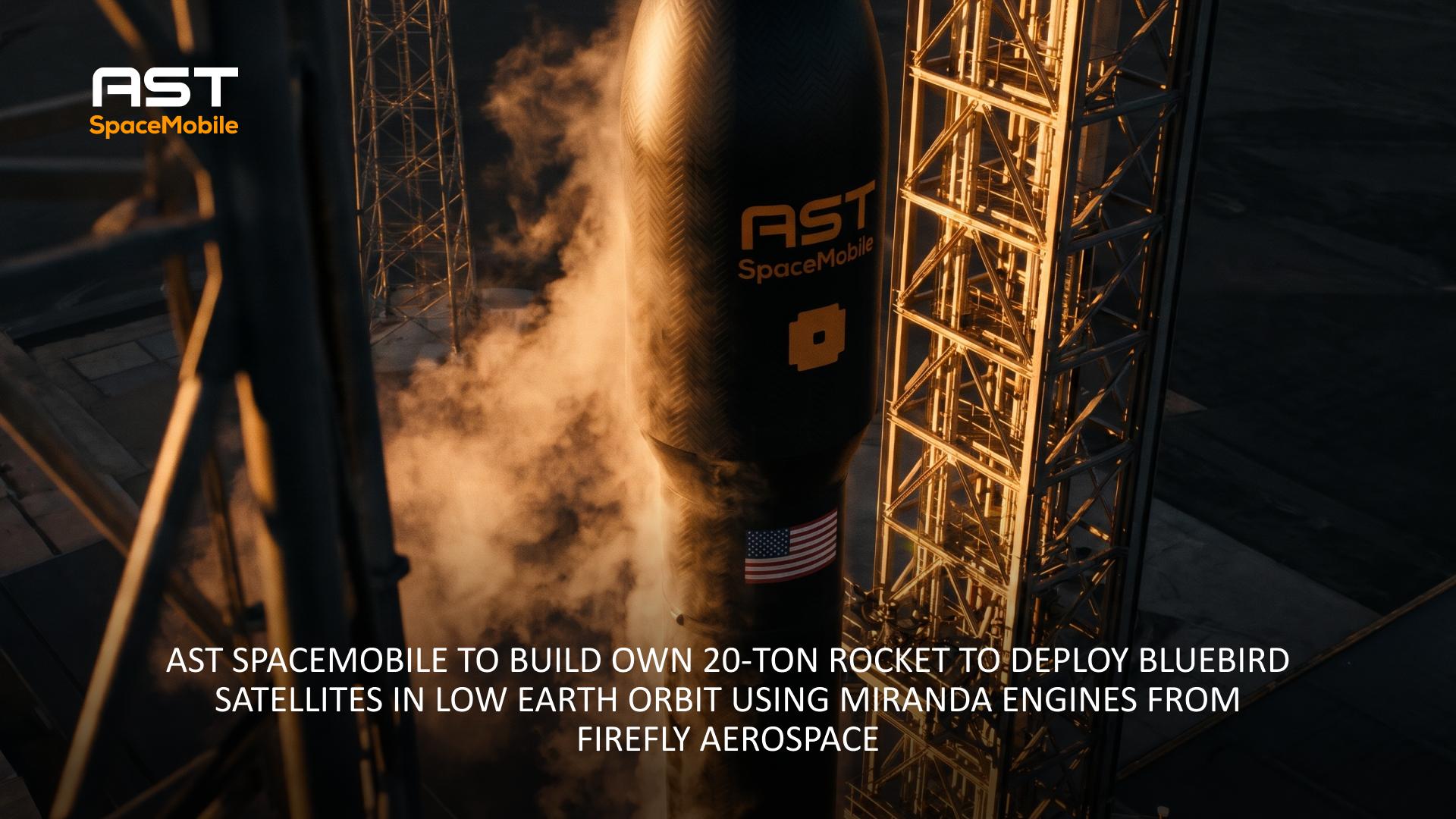
With essentially no commercial launch providers left with launch slots available to buy, AST SpaceMobile is up against the wall and needs a way to get its broadband satellite constellation into orbit.
So why not just build rockets itself?
Last week, SpaceMobile announced its new Blacklift rocket, designed to launch SpaceMobile's massive BlueBird satellites.
SpaceMobile CEO Abel Avellan seems to think building a rocket will be easy:
“Of course rocket engineers are going to get mad with me, but you can simplify it as a big tank feeding engines.”
He went on to explain that desperate times call for desperate measures:
“We’re not doing this thing because we like rockets. We’re not doing this thing because we want to be in the launch business. We want this because we have so much demand of our satellites, and as you have seen it, we cannot get enough launches.”
Abel claims the Blacklift will carry five Bluebirds per launch, have a reusable first stage, and be ready to launch twice a month from Wallops Island, Virginia in late 2028.
Pretty much every analyst in the space industry seems to think that this plan is delusionally ambitious.
Space is hard. Rockets are unforgiving and complex.
If well-funded experienced giants like ULA and Blue Origin are struggling, it is hard to imagine a startup satellite company like SpaceMobile leaping ahead from day one.
SpaceMobile isn't starting completely from scratch - they will be buying engines from Firefly Aerospace. But while Firefly's engines are promising, this newer generation is far from flight proven. And that is only one component of a very complex system.
But with no other alternative, at least SpaceMobile has a plan...
Concluding Thoughts
Even with New Glenn and Vulcan remaining offline, Amazon has enough launches booked that it should be able to bring out some level of Leo service relatively soon - but it will certainly be capacity constrained as Leo satellites continue to pile up in warehouses without enough rides to orbit.
SpaceMobile, on the other hand, is really in a tight spot - seemingly resorting to magical thinking and desperate measures to try and keep its ambitious expansion plans at all looking viable.
It is wild times in the space race - and things are only going to get wilder as SpaceX pulls further and further ahead with Starship and Starlink, while simultaneously stepping back from providing launch services to other companies.
Will anyone be able to catch up?
Stay tuned...

Learn More:
Starlink's Referral FAQ.

Use our referral link when purchasing equipment from Starlink.com and activating a consumer Residential or Roam data plan - and get a FREE month of service!
Someone on our team will also get a service credit, which helps us keep our multiple lines of service active for continued testing.
It's a win-win - you save money and help support MIRC!
Starlink Accessories from MobileMustHave
Check out these Starlink accessories sold by our friends at MobileMustHave:



Further Reading
- Starlink Satellite Internet For Mobile RV And Boat Use - Our featured guide focused on taking advantage of SpaceX's Starlink on the go.
- Mobile Satellite Internet Options -
 Our featured guide on all the current and future satellite internet options of interest to RVers and cruisers.
- All our Satellite Internet Resources - Our collection of guides, gear center entries, and news coverage on satellite internet.
- Industry Update: Mobile Satellite Internet for RVers & Boaters - Our latest deep dive into the current state of the satellite internet world.
And here is all of our recent satellite internet coverage:








 Mobile Internet Resource Center was founded by Chris & Cherie of
