


Keeping Connected Globally
Many U.S.-based nomads don't just stick within the borders of America in their adventures. And with international travel, there are special considerations for mobile internet connectivity.
Whether exploring via RV, van, boat, or utilizing short-term hotels or home rentals - many of our mobile nomads will cross into international territory at some point and want to maintain a mobile internet connection.
If you're a member, please log in above to see your exclusive content.
Don't need a membership? Other ways you can support our work here:
-
As seen in our videos!
-
Get a FREE Month of Starlink!
And our team will get one too!
-
Get a FREE Month of T-Mobile Unlimited Data
Join the Calyx Institute, and get a bonus month - and we do too!
-
Save $20 on Visible
Verizon's prepaid phone plan, we also get a $20 credit.
-
Share About Us!
Link to our content, tell others about MIRC. It's Free!
It is with huge gratitude to our members for making the free unbiased educational content on our site possible.
Our members get exclusive access to our in-depth content, classrooms, vendor discounts (that can save you more than membership!), alerts, insider info and interactive guidance. They can even book private advising sessions.
If mobile internet is an important part of your lifestyle, consider helping make MIRC possible by joining or supporting our mission.
International Mobile Internet Tips Video
Our international video overviews some general tips for traveling internationally with mobile internet:
Also, in August 2024, we hosted a MIRC LIVE event to discuss real-world examples of using mobile internet internationally. Team member Andy discussed how he and Suzy stayed connected during their recent trip to Europe:
General Mobile Internet International Tips
 The hurdle with international mobile internet is not that other countries don’t have plentiful options. The hiccup is getting connected to those options as nonresidents who are just passing through the country on a short-term basis.
These tips apply to both Canada and Mexico – as well as many other international travel destinations.
We also provide in-depth, specific guides for U.S.-based RVers and boaters traveling to Canada, Mexico, and the Bahamas. Additionally, we offer a guide focused on Canadians who are traveling to the U.S.
For our full collection of International Mobile Internet travel resources:
International Travel Resources
Wi-Fi
 Public Wi-Fi is plentiful abroad, just like most other basic necessities of life.
You will often be able to connect at campgrounds, coffee shops, cafes, libraries, hotels, airports, and more. You may be surprised at just how plentiful basic Wi-Fi can be, even in otherwise primitive countries.
When traveling outside the USA, Wi-Fi is likely going to be your cheapest and easiest connectivity solution, especially if you’re only going to be in an area for a brief time when it may not be worthwhile tracking down other options.
If you’re planning to travel internationally, it is important to include gear in your arsenal that is easily portable and can be used for connecting to a Wi-Fi source:
Using Wi-Fi as a Mobile Internet Source - Selecting Long Range Wi-Fi Extending Gear
As with all public Wi-Fi, the usual caveats apply.
You'll likely encounter intermittent speeds, may need to connect in crowded public places with little privacy, and should consider taking precautions to keep your connection secure.
Using a virtual private network (VPN) is a good option for protecting yourself when regularly surfing on public Wi-Fi, whether internationally or domestically.
TIP: A lot of major global websites will automatically switch to the local language if you are connecting via a local Wi-Fi internet service provider. However, there is often a way to override the detected language, if you can navigate the menus to find it. Using a VPN to appear to be in the United States however, will almost always keep your web experience in English.
Mobile Internet Security, Privacy, and VPNs
Voice

There are several ways to keep your voice phone service working while traveling abroad.
Most modern cell phones support global international roaming, so the simplest option for voice services is just to activate international roaming with your home carrier. This allows your number to stay active, so you can receive calls wherever you go.
Be sure to check the specifics of your plan. You may discover that you have a basic voice service option that will meet your needs. While default roaming rates can be expensive, you don’t have to answer every call. Keeping your phone active lets you see who’s calling, giving you the choice to answer or return the call later.
If you plan to make or receive calls frequently, avoiding standard international rates is key. Many carriers offer international packages with discounted calling rates, often as low as $15/month, to keep your home number active affordably.
If keeping your domestic number isn’t important, local SIM cards in many countries provide substantial savings on calls, though managing incoming calls may be trickier since you’ll have a different number.
Alternatively, internet-based services like Google Voice, WhatsApp, FaceTime, Facebook Messenger, and Skype allow you to make calls over Wi-Fi or mobile data—bypassing traditional cellular networks entirely.
TIP: If you decide to get a local SIM card, look into ways that you can forward calls from your U.S. number so that people back home can still easily reach you.
Cellular Data
 The most important international data tip is to turn off data roaming on your devices when near international borders—unless you're certain your plan includes good international coverage. Remember, the nearest cellular tower could be across the border, leading to unintended roaming charges before you’ve even left your country!
Default international data roaming fees can be shockingly high, and many travelers have faced massive bills from accidental roaming. While some smartphone plans will notify you when you’re roaming internationally, data limits and costs can still be restrictive.
If you do need cellular data overseas, you may be able to avoid the default roaming rates by activating an international roaming plan with your U.S.-based carrier – saving a substantial amount in the process. If your existing plan includes international roaming data, be sure to know whether your data is capped (either daily or by billing cycle) or throttled to a slow speed after using your allotment.
Roaming with your home carrier may be ideal if you’re only planning a short trip, will primarily be relying on Wi-Fi, or won’t be needing much data to get by. But for longer trips or heavier needs – it often makes sense to look into other options to support your data needs, including global data devices or international SIMs.
Satellite Data
Satellite options—including mobile LEO systems and handheld communicators—can help fill coverage gaps during international travel. These tools are not a complete replacement for cellular or Wi-Fi, but they can play an important role when exploring areas with limited terrestrial infrastructure.
Starlink Satellite Internet
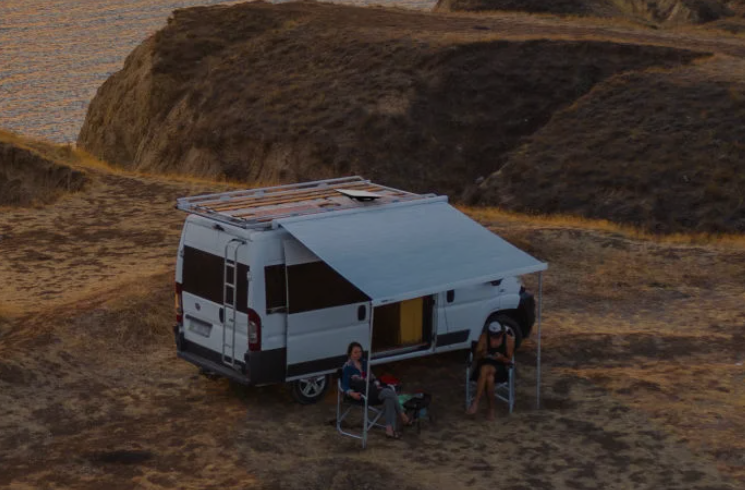
Starlink has become a popular option for international travelers thanks to its expanding worldwide coverage and portability.
Starlink offers mobility-focused service tiers intended for travelers—whether on the move, offshore, or crossing international borders.
The roaming-capable plans commonly used by nomads support international use, making Starlink a practical option for staying connected throughout global travel.
 Starlink is not a one-size-fits-all solution, and it may not fully replace cellular or Wi-Fi in every situation. However, for many forms of nomadic travel, it can be a powerful complement—particularly in regions where cellular coverage is limited or inconsistent.
It is important to note that Starlink Satellite service is not licensed for use in all countries and using it where it is not licensed is breaking the law in that country - even if you have a global roaming Starlink plan.
TIP: Cruise ships may seem like a great place to bring your Starlink, but most do not allow it. Read the fine print before you get on board!
Because Starlink frequently revises plan features, roaming rules, and pricing, be sure to refer to our dedicated Starlink Guide for the most up-to-date details:
Other Satellite Options
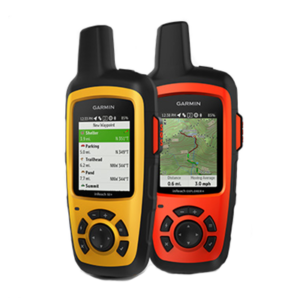
Handheld satellite communicators provide simple, reliable communication in places where no other connectivity exists. They are intended for low-data needs—such as short text messages, location updates, and basic weather information—and they function internationally in some of the most remote areas. These devices are not a substitute for full internet access, but they can be an important safety and backup tool for international travelers.
WARNING: Please to make sure that any satellite system you plan to bring to a country is legal there - whether its a hand-held device or a dedicated dish. For example, from the US State Department about traveling to India (website accessed on 5/29/26): "Do not bring a satellite phone or GPS device. Possessing a satellite phone or GPS device is illegal in India and may result in a penalty of $200,000 or jail time of up to 3 years".
Do your homework before you get on that ship, boat, plane, train, or auto with your tech - and avoid being the unlucky guy in this story from April 2026.
For a deeper look at handheld devices, LEO systems, and geostationary satellite options, explore our Mobile Satellite guides:
Mobile Satellite Options Alternatives to Starlink
Data Saving Tips for Capped Plans
As noted above, most U.S.-based plans that permit data roaming into other countries place data usage caps on the roaming portions of those plans. If you are purchasing a local SIM card to use in another country, you may also find yourself dealing with data caps. Some satellite-based plans also have data caps.
Data caps can be a challenge if you are used to unlimited data - so you may want some help to make the most of your data limits.
We've got a complete guide covering tips to lowering your data usage here:
Minimizing Data Usage & Managing Common Data Hogs
Member Exclusive Content Below
Member Exclusive Content In This Guide
Has this guide been helpful so far?
Well.. there's a lot more below available to our members. As well as dozens of other guides like this, videos, classrooms, forums, webinars and more. All specifically created for helping keep RVers, cruisers and nomads online.
Consider Becoming a Member
If mobile internet is an important part of your lifestyle, a membership can help keep you connected with these exclusive benefits:
- in-depth exclusive content
- interactive guidance
- vendor discounts
- alerts & insider tips
- classroom
- community
Free Content Like This Made Possible By Our Members!
We are community funded via our premium membership program - allowing us to focus on creating unbiased quality, in-depth, constantly updated content. We don't accept 3rd party advertising, we're not sponsored and we don't sell 'stuff'.
Already a member?
Log in to continue with this guide.
Check out the Topics Covered in the Member Section:
U.S. Cellular Carrier International Roaming Policies
We go in-depth tracking the roaming allowances and policies of the flagship plans offered by the major U.S. cellular carriers.
Global SIMs
This section covers options for global SIMs - services where you purchase a device & SIM card that automatically works across the world. Options include Solis, Airalo, Roaming Man, GlocalMe, and more.
Obtaining local SIMs
For extended international travel, sometimes it just makes sense to source local options. This section will help you be better prepared for that.
Summary: Research, Planning, & Flexibility Are Key
International connectivity has never been more flexible, but the best option varies widely depending on your travel style, destination, and data needs. U.S. carriers offer convenient roaming solutions through add-on passes or built-in Canada/Mexico allowances, but these options are often the most expensive and may include daily fees or reduced speeds after modest usage thresholds.
Local SIMs and eSIMs typically deliver the best performance and value, especially for extended stays in a single country. Meanwhile, global eSIM marketplaces and cloud-SIM products can provide simple multi-country coverage, though they often come with speed limitations, variable prioritization, and higher per-GB costs.
Satellite services—particularly Starlink—now play an important complementary role for travelers visiting remote regions where cellular networks may be limited or unavailable. Satellite is not a full replacement for terrestrial service, but it can fill important coverage gaps.
For many international travelers, a hybrid strategy works best:
- Rely on U.S. carrier roaming for convenience and short stays,
- Use local SIMs or eSIMs for affordability and higher performance
- Keep satellite or global eSIMs as backup tools when moving between regions or operating in remote areas.
Because carrier policies, roaming agreements, and pricing can change frequently, always confirm the details of your specific plan before departing—and consider testing your device’s roaming functionality as soon as you arrive.
Additional Reading
Related Guides:
Related News Stories:
Explore the Resource Center

Have Questions?
Join our 'Library Desk':
Internet for RVers & Cruisers Facebook Group
We cross post news articles and guides, and can help point you in the right direction to our content here on the resource center.
It is with gratitude to our premium members that we're able to offer our free content - and for that, they also have access to our member Q&A areas for more in-depth guidance.
Become a Member
 The MIA is our premium membership - designed for those who consider mobile internet an important part of their lifestyle.
In thanks for making content like this possible, we offer a bunch of additional perks. From interactive guidance, in-depth member exclusive content, discounts, alerts, classroom and ability to book private advising sessions.
Stay In the Know
We're constantly tracking the industry and analyzing new developments for mobile travelers. If you'd like to receive updates, we offer several ways:
- Subscribe to our free monthly newsletter
- Subscribe to our News Stories RSS Feed
- Subscribe to our YouTube Channel
- Follow our Facebook Page






 Mobile Internet Resource Center was founded by Chris & Cherie of