


Cell Towers in Space: The Basics of Direct-to-Cell
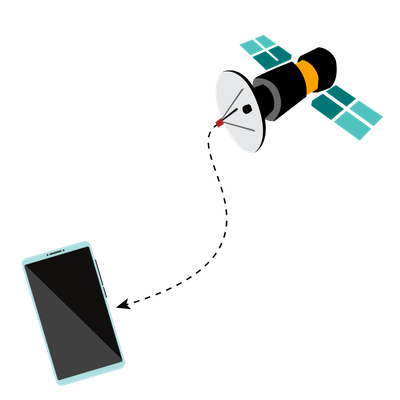 Direct-to-Cell (DTC) allows compatible cell phones to connect directly to satellites when terrestrial cellular coverage is unavailable.
Instead of connecting to a nearby cell tower, your phone connects to a satellite equipped with cellular radios that essentially function as a cell tower in space. When you're back within range of a terrestrial network, your phone simply reconnects to the nearest tower as it normally would.
Direct-to-Cell networks are now being deployed in partnership with cellular carriers worldwide.
For RVers, cruisers, and anyone who regularly travels beyond cellular coverage, Direct-to-Cell can provide more ways to stay connected, including:
- Messaging
- Emergency communication
- Limited data services
- Voice calling
Think of Direct-to-Cell as filling in the gaps between cell towers, not replacing the cellular network.
But Direct-to-Cell is NOT broadband for your phone. Available bandwidth is extremely limited compared to traditional cellular service and must be shared across a very large coverage area.
Direct-to-Cell won't replace the rest of a traveler's connectivity setup. Instead, it adds another option alongside traditional cellular service, Wi-Fi, Starlink, and dedicated satellite communicators such as the Garmin inReach.
Just a few years ago, sending a message from outside cellular coverage usually meant carrying a dedicated satellite communicator. Today, that capability can be on the phone you already carry every day.
Beyond the Reach of Cell Towers
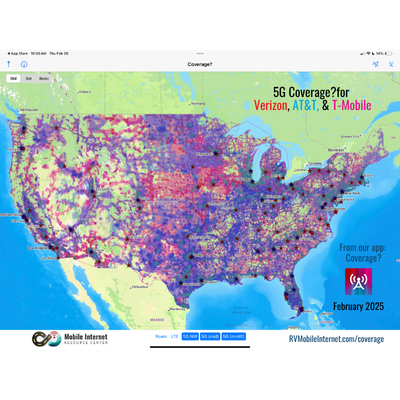
Today's LTE and 5G networks cover most of the places where people live, work, and travel.
But there will probably never be enough cell towers to cover everywhere.
Whether you're driving across Nevada, camping in the mountains, exploring public lands, or boating beyond the reach of shore-based cell towers, many places still don't make sense to build and maintain a traditional cellular network.
In many remote locations, relatively few people may pass through on a given day. Building a tower, providing power and backhaul, and maintaining it for so few users can be difficult to justify.
That's why every carrier still has dead zones on its coverage map.
Instead of building more towers on the ground, carriers can partner with satellite providers to extend coverage from space using the phones customers already own.
For anyone traveling outside cellular range, that means fewer places where you're completely out of touch. Even when broadband isn't possible, sending a message, sharing your location, or calling for help can be a big deal when the alternative is no connection at all.
For boaters, it's important to distinguish between being offshore and being in international waters.
A country's territorial waters generally extend up to 12 nautical miles from its coastline. Direct-to-Cell service may extend into these coastal waters when the local carrier and satellite network authorize and support it.
Beyond territorial waters, service becomes more complicated. Current consumer Direct-to-Cell services should not be assumed to work in international waters, even if satellites are overhead. As they mature, services may expand to international waters.
Member Exclusive Content Below
Member Exclusive Content In This Guide
Has this guide been helpful so far?
Well.. there's a lot more below available to our members. As well as dozens of other guides like this, videos, classrooms, forums, webinars and more. All specifically created for helping keep RVers, cruisers and nomads online.

Consider Becoming a Member
If mobile internet is an important part of your lifestyle, a membership can help keep you connected with these exclusive benefits:
- in-depth exclusive content
- interactive guidance
- vendor discounts
- alerts & insider tips
- classroom
- community
Free Content Like This Made Possible By Our Members!
We are community funded via our premium membership program - allowing us to focus on creating unbiased quality, in-depth, constantly updated content. We don't accept 3rd party advertising, we're not sponsored and we don't sell 'stuff'.
Already a member?
Log in to continue with this guide.
Check out the Topics Covered in the Member Section:
How Your Phone Reaches a Satellite
Connecting an ordinary phone to a satellite moving hundreds of miles overhead is much harder than reaching a nearby cell tower. We explain the technology satellite companies are using to make that connection possible.
Why Cellular Carriers Matter For DTC
Direct-to-Cell service depends on access to cellular spectrum, carrier partnerships, and regulatory approval. We explain why having a satellite overhead does not necessarily mean your phone can connect to it.
The Race to Connect Phones From Space
We look at what is available today and compare the different approaches being taken by SpaceX, AST SpaceMobile, and Elveo Mobile.
Current Direct-to-Cell Capabilities & Limitations
Messaging is only the beginning, but limited bandwidth, shared capacity, obstructions, and incomplete satellite constellations still restrict what these services can deliver.
Not Every Satellite Connection Is Direct-to-Cell
Direct-to-Cell is only one type of Direct-to-Device satellite connectivity. We explain how it differs from Apple’s Globalstar-based satellite features, Skylo’s NTN services, and dedicated satellite communicators.
Will It Work With the Phone You Already Own?
Phone compatibility depends on the carrier, supported cellular frequencies, satellite network, location, and how each service is implemented. We also explain why current consumer DTC service generally does not work with cellular routers or mobile hotspots.
From Emergency Backup to Everyday Coverage
More satellites, additional spectrum, and improving technology could eventually expand DTC beyond emergency messaging—but physics will continue to place limits on what a handheld phone can do.
Additional Reading
Related Guides
- Starlink Satellite Internet For Mobile RV And Boat Use - Our featured guide focused on taking advantage of SpaceX's Starlink on the go.
- Mobile Satellite Internet & Communication Options for RV and Boat Use
- Assessing Your Mobile Internet Needs
- Travel Planning Around Connectivity for RVers and Cruisers
- Thinking Outside the Box - Alternatives to Traditional Mobile Internet Options
- Testing & Understanding Your Mobile Internet Speeds
Related Articles
Explore the Resource Center
Have Questions?
Join our 'Library Desk':
Internet for RVers & Cruisers Facebook Group
We cross post news articles and guides, and can help point you in the right direction to our content here on the resource center.
It is with gratitude to our premium members that we're able to offer our free content - and for that, they also have access to our member Q&A areas for more in-depth guidance.
Become a Member
 The MIA is our premium membership - designed for those who consider mobile internet an important part of their lifestyle.
In thanks for making content like this possible, we offer a bunch of additional perks. From interactive guidance, in-depth member exclusive content, discounts, alerts, classroom and ability to book private advising sessions.
Stay In the Know
We're constantly tracking the industry and analyzing new developments for mobile travelers. If you'd like to receive updates, we offer several ways:
- Subscribe to our free monthly newsletter
- Subscribe to our News Stories RSS Feed
- Subscribe to our YouTube Channel
- Follow our Facebook Page



 Mobile Internet Resource Center was founded by Chris & Cherie of