


Installing Antennas
Once you've decided on your Wi-Fi, cellular signal-enhancing, and potentially Starlink antennas, the next challenge is installing them on your RV, motorhome, travel trailer, 5th wheel, motor yacht, trawler, or sailboat.
Installation of mobile antennas can be tricky, especially since the components must be secure, discreet, weatherproof, and abide by any height limitations.
Additionally, running the necessary antenna wires in an RV or boat can be difficult and may require trade-offs due to cable length limitations.
Location-specific challenges can often be an issue since a mobile installation is, well, mobile! The "best" setup at one location may not be the best at another location.
Unlike fixed-location installations, mobile antenna installations must account for these unique challenges!
If you're a member, please log in above to see your exclusive content.
Don't need a membership? Other ways you can support our work here:
-
As seen in our videos!
-
Get a FREE Month of Starlink!
And our team will get one too!
-
Get a FREE Month of T-Mobile Unlimited Data
Join the Calyx Institute, and get a bonus month - and we do too!
-
Save $20 on Visible
Verizon's prepaid phone plan, we also get a $20 credit.
-
Share About Us!
Link to our content, tell others about MIRC. It's Free!
It is with huge gratitude to our members for making the free unbiased educational content on our site possible.
Our members get exclusive access to our in-depth content, classrooms, vendor discounts (that can save you more than membership!), alerts, insider info and interactive guidance. They can even book private advising sessions.
If mobile internet is an important part of your lifestyle, consider helping make MIRC possible by joining or supporting our mission.
RV Antenna Installation Overview
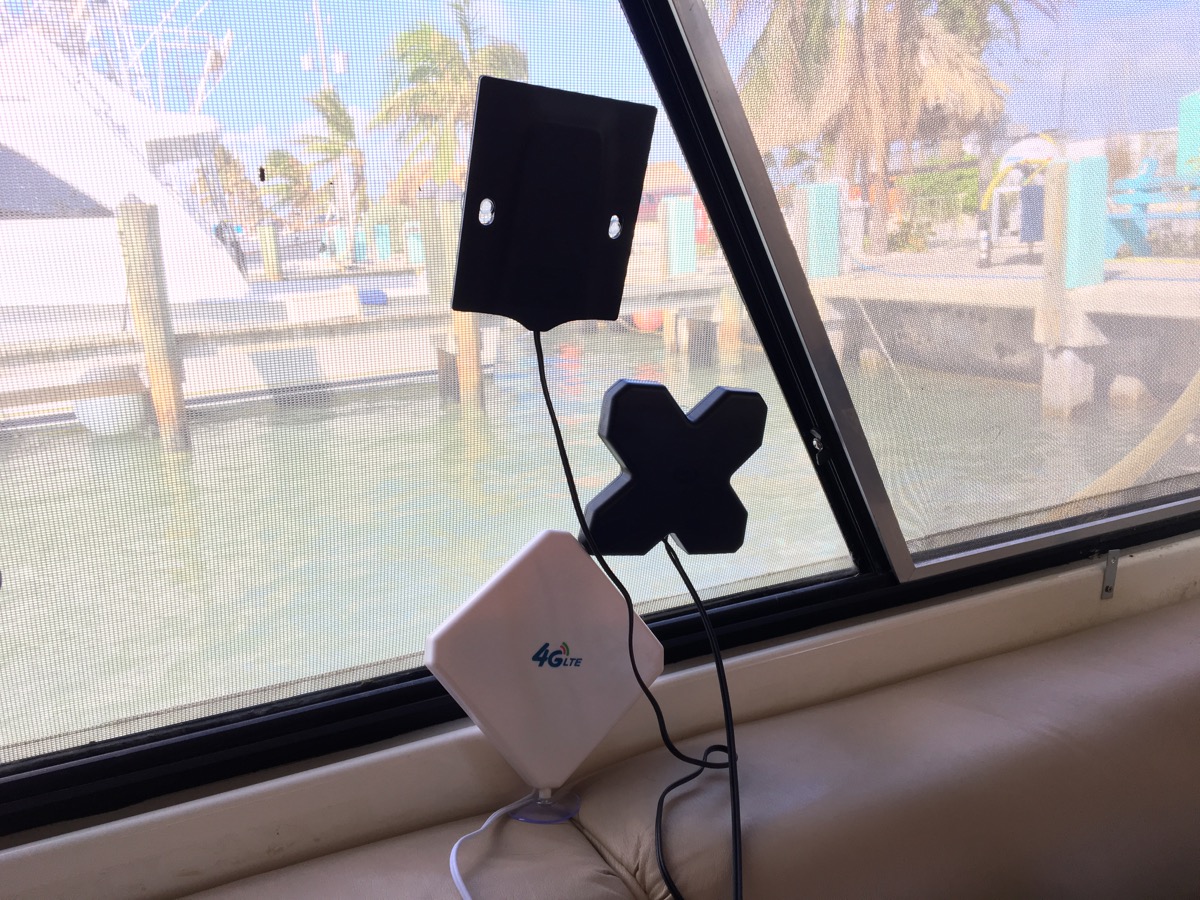
Mobile internet users often find they need signal-enhancing gear to get more reliable internet access, particularly in the boonies, where cellular and Wi-Fi signals can be weak or nonexistent.
Most signal-enhancing gear is not a simple plug-and-play affair. Often, you need to mount an antenna outdoors, which may require some creative thinking.
Most antenna systems require equipment placed in multiple locations, split between the inside and outside of your RV, vehicle, or boat. For example, an exterior antenna connected to an interior cellular device.
Since your rig is (hopefully) designed to be weathertight, it can be daunting to determine where to place your shiny new signal-enhancing gear on the roof and how to get the wiring from the outside to the inside without damaging the rig's weather envelope.
What seems pretty simple at first can be very complex, so we highly recommend you develop an installation plan before beginning. A detailed plan will help you identify potential trouble spots before you start drilling holes and running cables.
In general, your plan should consider five basic questions:
- Where will the antenna(s) be located?
- Where will the interior components be located?
- Where will the cables enter the RV or boat?
- How and where will the cables be routed inside and outside the vehicle?
- How long do the cables need to be?
Each antenna installation for each unique RV or boat will have different answers to these questions—and there are no universal 'correct' answers.
In this guide, we'll give you options and ideas to consider when answering these questions for your RV or boat antenna installation.
Let's get started first with a quick video talking about the importance of antenna placement:
Antenna Placement
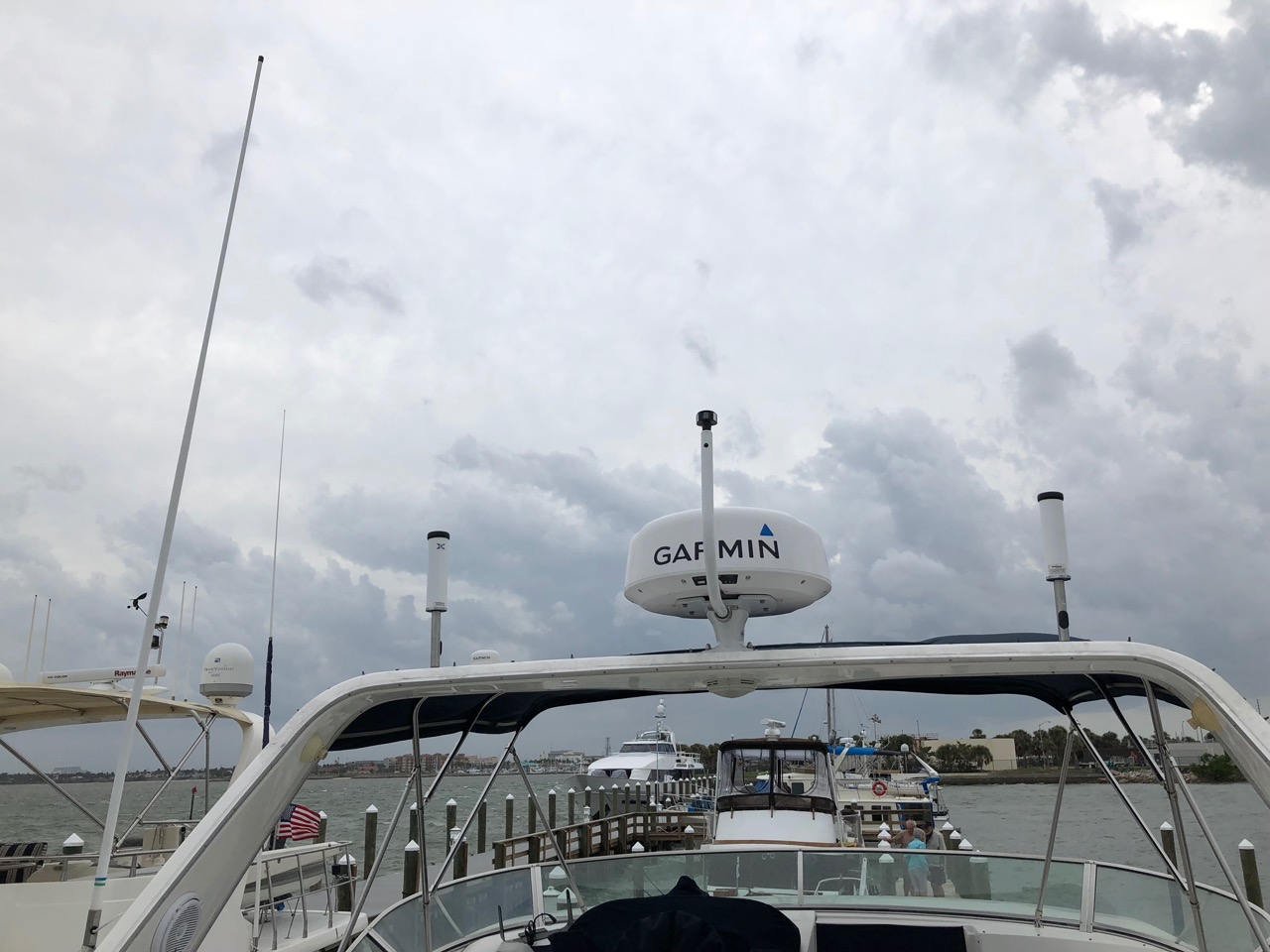
You'll first need to determine where to place your antennas on or in your boat or RV.
Usually, this will be somewhere on the roof or a mast, but other options may better suit your particular situation.
We've divided the considerations into general, RV-specific, and boat-specific factors.
General Antenna Placement Considerations
- Antenna Type
- Cellular? Wi-Fi? Directional? Omni-Directional? Satellite?
- How tall is the antenna?
- Do you have multiple antennas to install?
- Will you be mounting them near each other?
- Cable Length & Routing
- Do you have existing holes to route through? Did your RV or boat come pre-wired? What about conduits? Are there other options?
- How long are your cables?
- Can you avoid needing any cable extensions or cable adapters?
- What type of signal is going over your cables? Roof-mounted Wi-Fi gear and cellular modems often use Ethernet or USB cabling to transmit digital signals between indoor and outdoor components, which do not degrade over distance. However, cellular boosters and antennas connected to an indoor cellular modem typically use coax antenna cable, and every additional foot of distance further weakens the signal. Shorter is better!
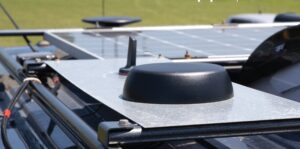
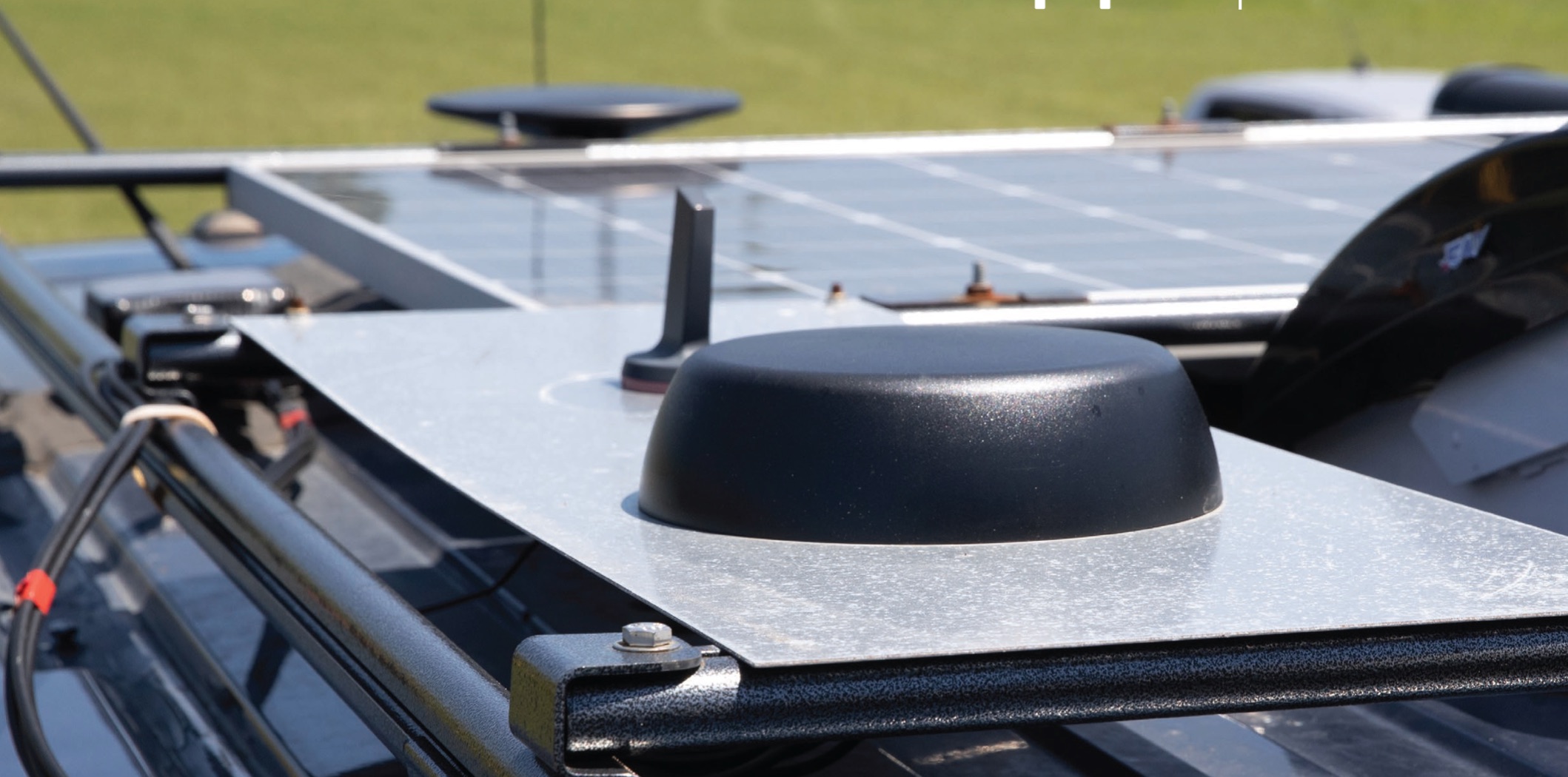
Antennas on your roof can be an essential part of any connectivity arsenal. There are many different mounting options.
- Interior Equipment Location
- Where will the interior components be located?
- Will they be in a central tech cabinet or dispersed throughout your boat or RV?
- How much separation do you need between the indoor and outdoor components, if any?
- Your Travel Style
- How often do you move?
- If you have regular extended seasonal stays, it might be worth investing in gear optimized for that fixed location—perhaps even permanently installed there.
- What kind of places do you stay? Established campgrounds near urban areas can be quite different from the boonies.
- Are you planning a permanent or temporary installation?
- Obstacles
- To avoid potential interference, try to have at least 5 inches (more is always better!) of space—vertical or horizontal—between different antennas.
- Omnidirectional antennas work best with an unobstructed 360-degree view of the horizon. If possible, avoid placing omnidirectional antennas behind obstacles that can block your signal (like air conditioners), or try to maintain at least a 2-foot clearance (more is always better!).
- If you have solar panels on your roof, be careful with antenna placement to avoid shading the panels. Even a tiny shadow can drastically reduce power production!
- Usage In Motion?
- Do you need gear that works in motion or only while stopped? The FCC has strict limits on mobile cellular boosters, but gear designed for use while stopped is allowed to be more powerful. However, the smaller spaces in RVs and boats may make that gear too powerful to avoid oscillation.
RV Antenna Placement Considerations
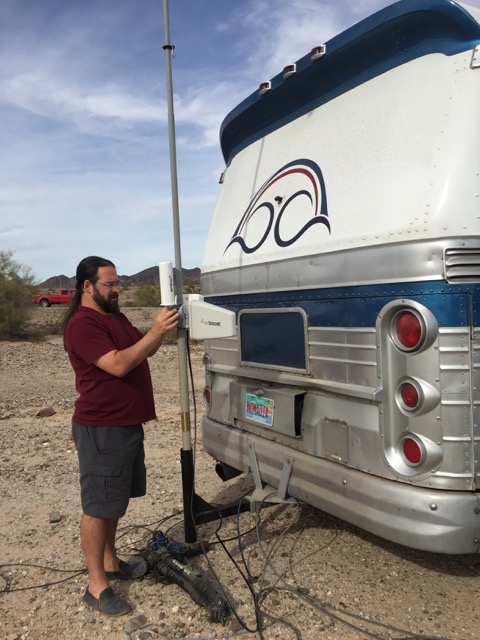
RVs are constrained by highway height limitations, but when parked, they have a wide range of options.
- Type of RV
- There are different considerations for motorhomes, towables, and vans. Which do you have?
- If you have a towable, do you need improved connectivity in your tow vehicle while underway - or only in your RV while parked?
- Length of the RV
- The longer the RV, the more mounting options you'll have—and the more considerations you'll have for routing cables. This extra length can make it easier to space device components, but longer cable runs can also reduce signal strength.
- Shorter RVs may have difficulty fitting an antenna due to all the other things that might be on an RV roof - such as solar, air conditioners, roof racks, etc. Additionally, cellular boosters may require separation between the inside and outside antennas to work well without oscillation.
- Construction Type
- A metal RV can block or hinder cellular and Wi-Fi signals, whereas a fiberglass RV is transparent to most signals. Our guide on metal RV's and boats goes deeper into these challenges.
- A curved roof can pose challenges for antennas designed for flat surfaces.
- Fiberglass is nearly invisible to wireless signals - and an antenna placed in an indoor upper cabinet may work nearly as well as one placed on the roof right above it.
- Mounting Options
- Do you have things on the roof, a ladder, or racks already installed that can be used to attach an antenna?
- Does adding a retractable pole or arm make sense for your installation?
- Antennas are prone to impacts from tree branches. Does your antenna have a way to gracefully handle a minor impact without damage? Magnets or springs give way, whereas an impact on a rigid mount can destroy an antenna and even damage your roof!
- Dome/Puck style antennas can be mounted directly on a roof, platform, or box to facilitate cable management.
Boat Antenna Placement Considerations
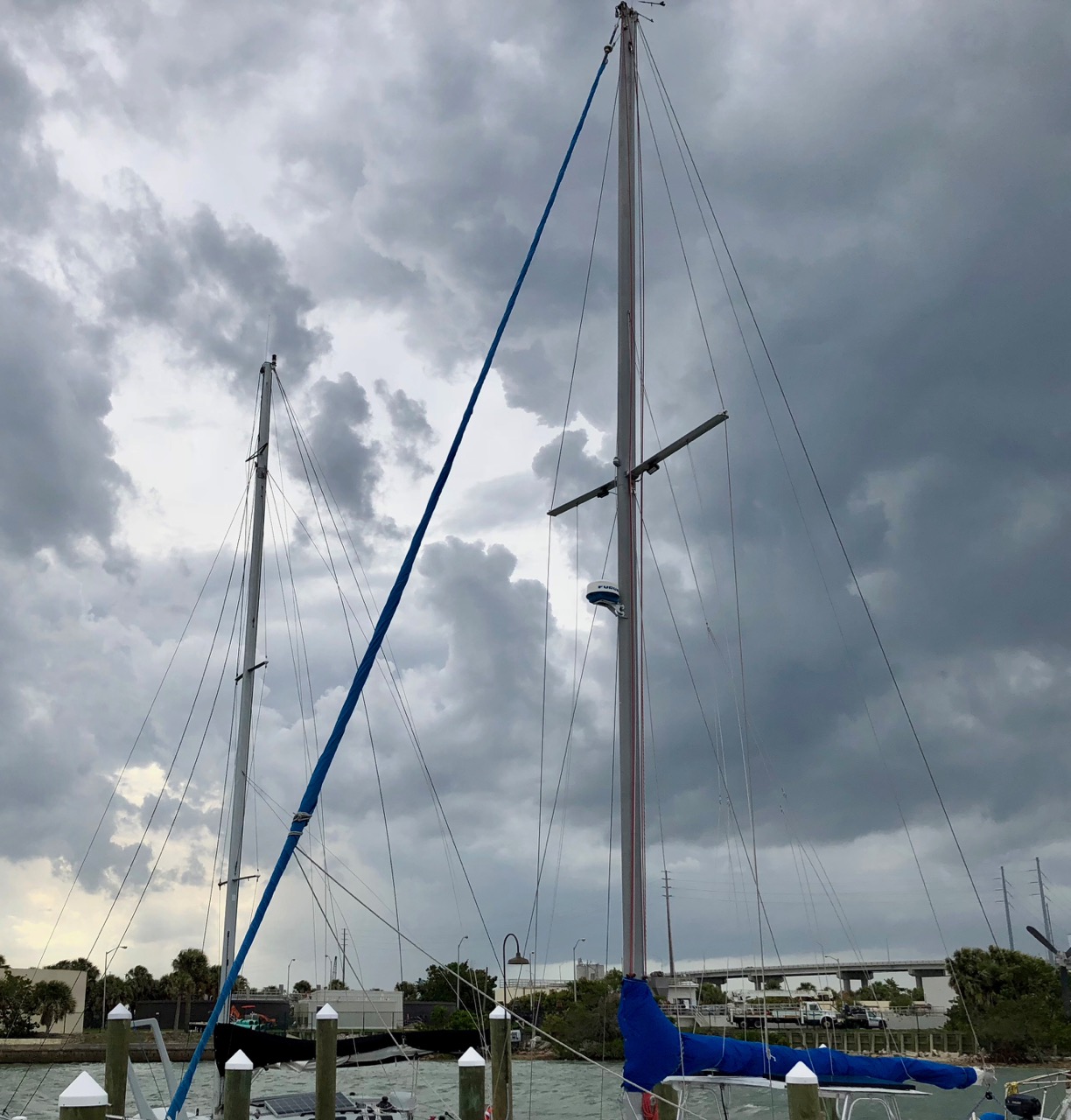
Before mounting an antenna on a boat, you must consider a range of factors and potential challenges.
- Type of Boat
- Sailboats? Powerboat? Another type? The unique layouts and builds of different boats will force you to inspect your particular vessel to find the best setup configuration.
- Most antennas work best when they are vertical, but a sailboat underway (particularly a monohull) is typically leaning, sometimes substantially. In this situation, a more forgiving, lower-gain antenna might well outperform a powerful, high-gain antenna!
- Construction Type
- Steel and aluminum boats are built with materials that strongly block wireless signals, so they require external antennas. Our guide on metal RV's and boats goes deeper into these challenges.
- Fiberglass is nearly invisible to wireless signals - and an antenna placed in an upper cabinet indoors in a fiberglass boat may work nearly as well as one placed on the roof.
- Boat Configuration
- Does your boat have a dedicated mast, radar arch, or another mounting area for antennas?
- What type of roof, deck, or mounting position is available?
- Are there existing wiring chases/conduits/runs (check for pre-wired solar) to these areas already in use by other antennas?
- Other Antennas & Equipment
- What other antennas and equipment do you already have?
- What is the minimum separation needed to prevent interference, particularly for radars?
- Antenna Height
- Consider the advantages vs disadvantages of antenna height compared to the signal loss from using a longer cable. A mast can give you fabulous elevation, but often the height isn't worth the signal losses from a longer cable. It is often better to pick a place midway down to strike the best trade-off.
- Consider height in terms of future needs for crossing under low bridges. Can you make your antennas retractable if you are in this situation? Refusing to lower antennas at a drawbridge can cause an unnecessary opening and result in significant fines!
- Docked Or Anchored?
- A boat at anchor is constantly swinging about with wind and current changes, making even temporarily deployed directional antennas an exercise in futility. But at the dock, directional antennas may be an option.
- Corrosion
- The marine environment is extremely demanding, especially in saltwater environments. Ensure the antenna and mounting system you install will withstand the rigors of this environment. Can your antennas be mounted somewhere with some form of protection? And, of course, use stainless steel mounts and brackets.
Member Exclusive Content Below
Member Exclusive Content In This Guide
Has this guide been helpful so far?
Well.. there's a lot more below available to our members. As well as dozens of other guides like this, videos, classrooms, forums, webinars and more. All specifically created for helping keep RVers, cruisers and nomads online.

Consider Becoming a Member
If mobile internet is an important part of your lifestyle, a membership can help keep you connected with these exclusive benefits:
- in-depth exclusive content
- interactive guidance
- vendor discounts
- alerts & insider tips
- classroom
- community
Free Content Like This Made Possible By Our Members!
We are community funded via our premium membership program - allowing us to focus on creating unbiased quality, in-depth, constantly updated content. We don't accept 3rd party advertising, we're not sponsored and we don't sell 'stuff'.
Already a member?
Log in to continue with this guide.
Check out the Topics Covered in the Member Section:
Antenna Installation Videos
We have member-exclusive installation videos with our partners at MobileMustHave.
Common Installation Locations & Examples
This section covers easy installation locations and methods along with permanent, temporary, and removable mounts.
Common Installation Methods & Examples
This section covers a range of installation options and ideas, including the benefits and drawbacks of each.
Cable Entry, Routing & Management
This section covers securing cabling on the roof, watertight interior ingresses, and effectively routing cables to your centralized tech cabinet.
Routing Inside the RV or Boat
Tips on how you'll navigate the wires to their final destination and what obstacles you will encounter.
Mounting Directional Antennas & Aiming
Tips and challenges for using directional antennas that require aiming.
Starlink Antenna Mounting
Tips and strategies for mounting Starlink antennas.
Member Submitted Examples
This section includes examples from some of our members, including very creative solutions.
Summary: RV and Boat Antenna Installation
Mounting antennas and running wires, particularly inside an RV or boat, can be challenging and even a bit scary, but it's often necessary to utilize modern signal-enhancing gear like boosters and antennas.
Your situation will likely be different from that of your neighbors and nomadic peers. The examples and use cases in this guide are just a few samples of what is possible. With so many types, makes, and models of RVs and boats, very few installations will be the same.
The most important thing you can do to make the process easier is to develop a plan and analyze all its parts. Utilize the questions posed at the beginning of this guide—stop and think about the "what ifs" and trade-offs you may have to consider. Be sure to include the potential for future upgrades in your plan.
It may be daunting, but once your plan is realized, you'll more than likely find it was well worth the work and hassle.
Cellular antennas can be a vital part of your signal enhancing strategy to get a better signal, and thus better cellular data performance. They come in many shapes, sizes and varieties.
They can be used directly connected to your mobile hotspots or cellular embedded routers, or they might connect to your cellular booster. They come in omni-directional vs directional, single vs MIMO, and might support different frequency bands. They come in combination antennas with Wi-Fi and GPS.
But most importantly, is your installation options on your RV or boat.
So before choosing an antenna, be sure to understand all of these variables - and keep in mind that there likely isn't a single 'one size fits all' solution here. You may need to make compromises, or even have speciality antennas for challenging signal areas.
We recommend starting with our Guide to Selecting Antennas, and then moving on to our other guides addressing related topics:


Explore the Resource Center


Have Questions?
Join our 'Library Desk':
Internet for RVers & Cruisers Facebook Group
We cross post news articles and guides, and can help point you in the right direction to our content here on the resource center.
It is with gratitude to our premium members that we're able to offer our free content - and for that, they also have access to our member Q&A areas for more in-depth guidance.
Become a Member
 The MIA is our premium membership - designed for those who consider mobile internet an important part of their lifestyle.
In thanks for making content like this possible, we offer a bunch of additional perks. From interactive guidance, in-depth member exclusive content, discounts, alerts, classroom and ability to book private advising sessions.
Stay In the Know
We're constantly tracking the industry and analyzing new developments for mobile travelers. If you'd like to receive updates, we offer several ways:
- Subscribe to our free monthly newsletter
- Subscribe to our News Stories RSS Feed
- Subscribe to our YouTube Channel
- Follow our Facebook Page





 Mobile Internet Resource Center was founded by Chris & Cherie of