
Key Points:
- The FCC published an order stating that all new "consumer-grade" routers produced outside the USA (including products from US companies with manufacturing overseas) will, going forward, be prohibited from receiving FCC approval.
- Lack of FCC approval means new routers can't legally be imported or sold.
- This only affects new products - existing, already approved routers are not banned.
- The ban applies to "consumer" routers - enterprise-focused products, like Peplink, may be exempted.
- It is currently unclear whether mobile hotspots will be impacted by this ruling.
 With a surprise new order published late yesterday, the Federal Communications Commission (FCC) just dropped a bomb on Wi-Fi router manufacturers.
The gist of a new order is that it effectively bans the sale of any new Wi-Fi routers manufactured outside the USA, due to hypothetical national security concerns.
Since almost all routers are manufactured overseas and most of our audience relies on Wi-Fi routers, this could have a significant impact!
Let's dig into the details based on what we know so far...
Table of Contents
Wi-Fi Router Ban Details
What the new order does is add every consumer Wi-Fi router made outside the USA to the government's "Covered List."
The Covered List is effectively a national security blacklist of various telecommunications equipment. Some specific Chinese companies, like ZTE and Huawei, have been on the list for years - but now the FCC has expanded it to include “all consumer-grade routers produced in foreign countries.”
This ban even applies to US companies that manufacture products overseas, and the reality of current global manufacturing and supply chains is that essentially only a tiny number of routers are currently manufactured domestically.
In other words, this is effectively a blanket ban on ALL new router models.
Ban Applies Only To “Consumer” Routers
As written, the ban only applies to "consumer" Wi-Fi routers, which, according to the FCC FAQ, are defined as:
"Consumer-grade networking devices that are primarily intended for residential use and can be installed by the customer."
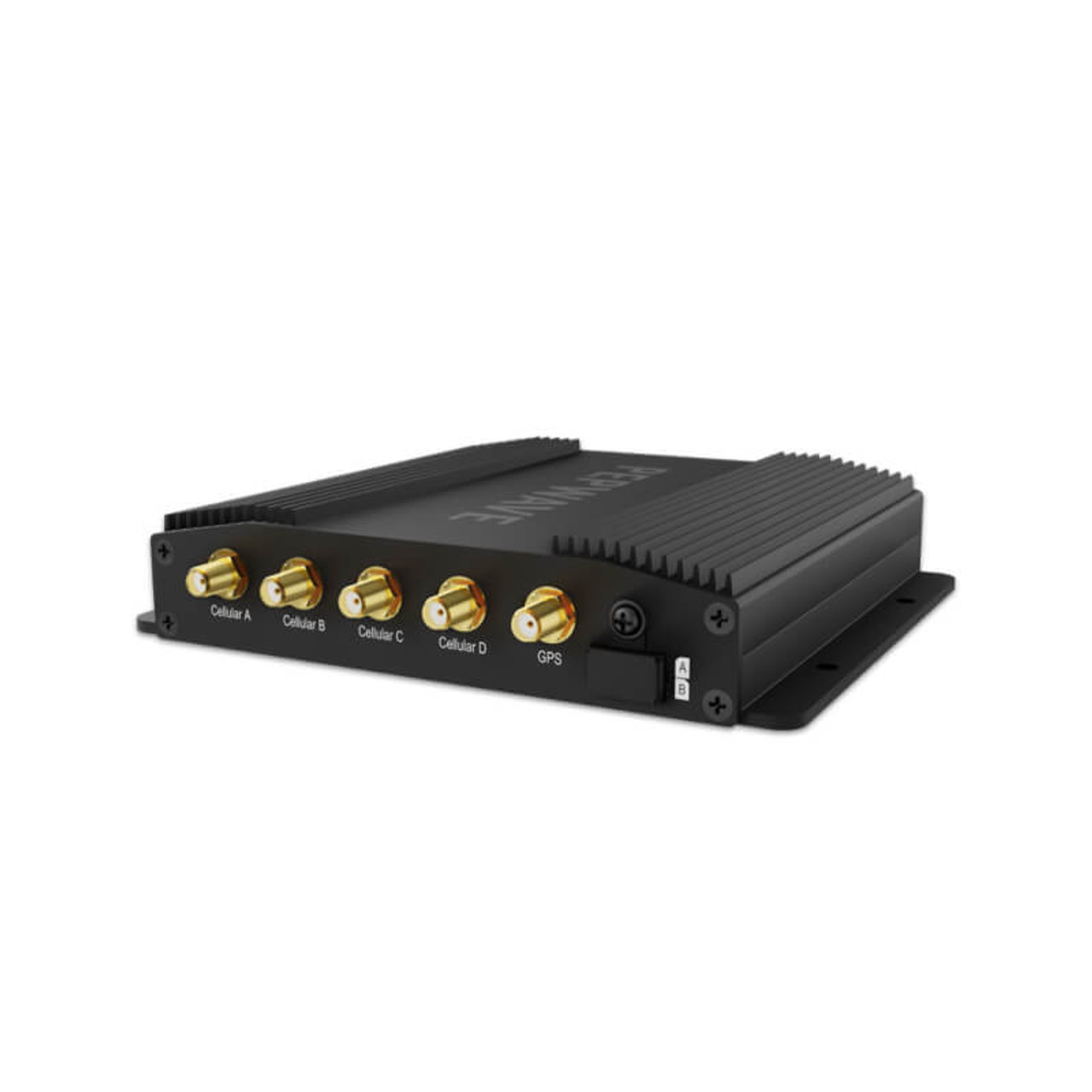
This may exempt enterprise-level devices, such as most manufactured by Peplink, Cradlepoint/Ericcson, Digi, Teltonika, and others - but it's not at all clear where the line may be drawn between consumer and enterprise devices.
Mobile hotspots are another unknown. These devices are essentially small consumer Wi-Fi routers at their core, and depending on how the language of the FCC order is interpreted, new Mobile Hotspots may end up banned too.
Ban Only Applies To Future FCC Approvals - For Now
One important thing to note is that his ban only applies to FCC approvals going forward, at least "for now." From the FCC Notice:
All routers authorized for use in the United States may continue to receive software and firmware updates that mitigate harm to U.S. consumers at least until March 1, 2027. These include all software and firmware updates to ensure the continued functionality of the devices, such as those that patch vulnerabilities and facilitate compatibility with different operating systems
Any gear that has already received FCC approval is not affected by the ban, at least through March 1, 2027.
While the FCC could decide to retroactively ban some currently approved devices, they have not done so with previous bans on consumer devices from ZTE and Huawei.
So, in the near term, the ban will primarily affect the availability of new products, likely delaying those currently in the pipeline and set to come to market this year.
Conditional Approvals For Manufacturers
 Manufacturers can get new equipment approved via a "Conditional Approval" process. This process allows manufacturers to get a temporary exception to the blanket ban. However, the conditions are very strict, and companies must meet the government's terms in three broad categories:
- Corporate Structure - Companies must provide detailed information to the government, including ownership and any foreign interests.
- Supply-Chain Disclosure - Companies must provide information on the full supply chain for all components in a router, along with other very detailed information.
- Domestic Manufacturing and Onshoring Plan - Companies must provide a detailed plan for onshoring manufacturing to the USA.
Large US-based companies may be willing to jump through these hoops to get out from under the ban, but full compliance could prove impossible for smaller manufacturers. Some router manufacturers may feel forced out of the US market entirely - similar to how drone market leader DJI has been pushed out by previous government bans on new drone models.
Industry Reaction
There had been growing expectations that the FCC would add consumer router manufacturer TP-Link to the ban list - but the blanket ban has caught the entire tech industry by surprise, and few analysts seem to think this is a reasonable or effective move by the FCC.
We do, however, expect on-the-record responses to be careful to avoid criticizing the FCC - like this statement we received from Netgear:
Netgear Spokesperson Statement
We commend the Administration and the FCC for their action toward a safer digital future for Americans. Home routers and mesh systems are critical to national security and consumer protection, and today’s decision is a step forward. As a U.S.-founded and headquartered company with a legacy of American innovation, NETGEAR has long invested in security‑first design, transparent practices, and adherence to government regulations, and we will continue to do so.
Concluding Thoughts
Needless to say, this move by the FCC is potentially a very big deal for most of the gear we cover and for you, our audience, who use it.
There are still many unknowns about how this will play out, but the important thing for now is that gear already approved by the FCC is not affected, at least for now.
That includes anything you currently own as well as gear that is currently approved and for sale in the US.
But new models in the pipeline are likely to be seriously impacted.
The real irony here is that the cybersecurity risks inherent in routers are indeed real, but it is older router models with less advanced software that are not currently being updated that are historically most at risk.
By banning new models from coming to market, the actual impact of the FCC's new rule is that older insecure routers will likely stay in use longer, increasing overall security risks.
Further Reading
Related Content at the Mobile Internet Resource Center:
- Industry Update: Late 2025 Cellular Industry Update
- Guide: Selecting Your Peplink Router
- Guide: Selecting Mobile Routers
Related News:








 Mobile Internet Resource Center (dba Two Steps Beyond LLC) is founded by Chris & Cherie of